
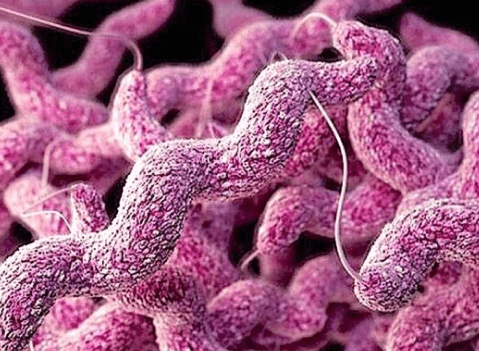
In the United States, these bacteria are the most common cause of bacterial foodborne illness, ahead of Salmonella—the second most common cause. Foods that may contain Campylobacter include:
· Any raw poultry (chicken is most common, as well as turkey, duck, goose, game fowl)
· Unpasteurized milk
· Undercooked meats such as beef, pork, lamb and livestock
· Shellfish
· Fresh produce
· Eggs
Most cases of Campylobacter infection occur as isolated, sporadic events, and are not usually part of large outbreaks. But, very large Campylobacter outbreaks (>1,000 illnesses) of campylobacteriosis have been documented, most often from consumption of contaminated milk or unchlorinated water supplies.
The Marler Clark, Inc.,PS Campylobacter lawyers have unparalleled experience representing victims of Campylobacter and other foodborne illnesses. Our Campylobacter lawyers have represented victims of Campylobacter outbreaks traced to foods such as raw milk and water. Contact us today to learn more about our services.
Campylobacter Resources
We have worked with epidemiologists to bring education about Campylobacter to everyone.
Campylobacter Food Poisoning
The Incidence of Campylobacter Infections
The Prevalence of Campylobacter in Food and Elsewhere
Transmission of Campylobacter jejuni
Symptoms of Campylobacter infection
Complications of Campylobacter Infection
Diagnosis of a Campylobacter Infection
Treatment for Campylobacter Infection
The Economic Impact of Campylobacter Infections
Real Life Impacts of Campylobacter Infection
Mari Tardiff's Story
How Can Campylobacter Food Poisoning Be Prevented?
Campylobacter References
Campylobacter outbreaks and recalls
January 02, 2024
The Relationship Between Campylobacter and GBS
For those persons who suffer a Campylobacter infection that does not resolve on its own, the complications (or sequelae) can be many. The complications can include septicemia (bacterial pathogens in...
November 04, 2023
How Macrolides Help You Fight Campylobacter Infections
According to the CDC, macrolides like azithromycin are the current drugs of choice when antibiotic treatment is indicated for Campylobacter infections. The resistance to macrolides in Campylobacter has remained stable....
August 15, 2023
Tips For Preventing Your Dog from Giving You Campylobacter
Summertime for many means more time spent outside with our family, friends, and often our four-legged companions. It is a wonderful time of year to exercise ourselves, and mankind’s best...
May 29, 2023
Tips for Preventing Campylobacter Exposure
Campylobacter (camp-UH-low-back-ter) is a genus of bacteria that is among the most common causes of bacterial infections in humans worldwide....
Have Campylobacter symptoms? Get a free consultation.
We’re here to answer all your questions, like what to ask a doctor, if you’re eligible for a lawsuit, and how to get the care you need.
Campylobacter litigation at Marler Clark
The Marler Clark Campylobacter attorneys are the only lawyers in the nation with a practice focused exclusively on plaintiff foodborne illness litigation.
Our expert Campylobacter attorneys have represented victims of notable Campylobacter outbreaks. Contact us today to learn more about our services.
Campylobacter litigation at Marler Clark
Marler Clark has documented their litigation for victims in 6 Campylobacter cases. The Marler Clark Campylobacter lawyers have unmatched experience representing victims of Campylobacter. We have represented hundreds of victims of Campylobacter outbreaks.
2023
Tips For Preventing Your Dog from Giving You Campylobacter

2023
How Campylobacter in Poultry Spreads So Quickly

2021
Wild Ginger Campylobacter Outbreak and Litigation - New York (2019)
2014
The Family Farm Raw Milk Campylobacter Lawsuit – Pennsylvania (2012)
2008
Alexandre EcoDairy Raw Milk Campylobacter Outbreak Lawsuit - California (2008)

2008
Washington State Penitentiary Campylobacter Litigation - Washington (2002)
See what our clients are saying
Marler Clark's food litigation attorneys have the most extensive experience representing victims of food poisoning outbreaks of any law firm in the United States.
Bill Marler and his team demonstrated a clear passion for their work and diligently ran to ground all of the details and nuances surrounding our family's case. The Marler Clark team managed our expectations extremely well, making sure that we were prepared at each step in the process and knew that there would be frustrating times along the way. On top of the impeccable professionalism, we formed friendships with Bill and Julie, and they introduced us to other clients who were going through similar experiences to our own, all of which was therapeutic and reminded us that we were not alone. And last but not least, we achieved success -- there is no substitute for subject matter expertise and years of experience! Thanks again Bill, Julie, and the entire Marler Clark team!
Bob & Emily S.
All of the people at Marler and Clark were very attentive to our needs and concerns. We would highly recommend their law firm for any legal advice regarding food safety. They are very transparent and will make contact with you in a timely fashion.
Amy G.
My wife and I can't thank Bill Marler and everyone at Marler Clark enough for how well they looked after us in our time of need. Bill visited us while our son was in the hospital and he, or his staff, were in contact with us every step of the way. Everyone at Marler Clark was caring and compassionate about our situation while working on our behalf. Even after our case was settled, Bill has checked in with us from time to time, wanting to know how our son was doing.